
St Michael, Big Lake
Garage Door Repair for St. Michael Homes
St. Michael's homes mostly went up after 1990, newer than the wider service area average - that means different springs, different openers, and a different common failure. We come from Big Lake, 10 miles out.
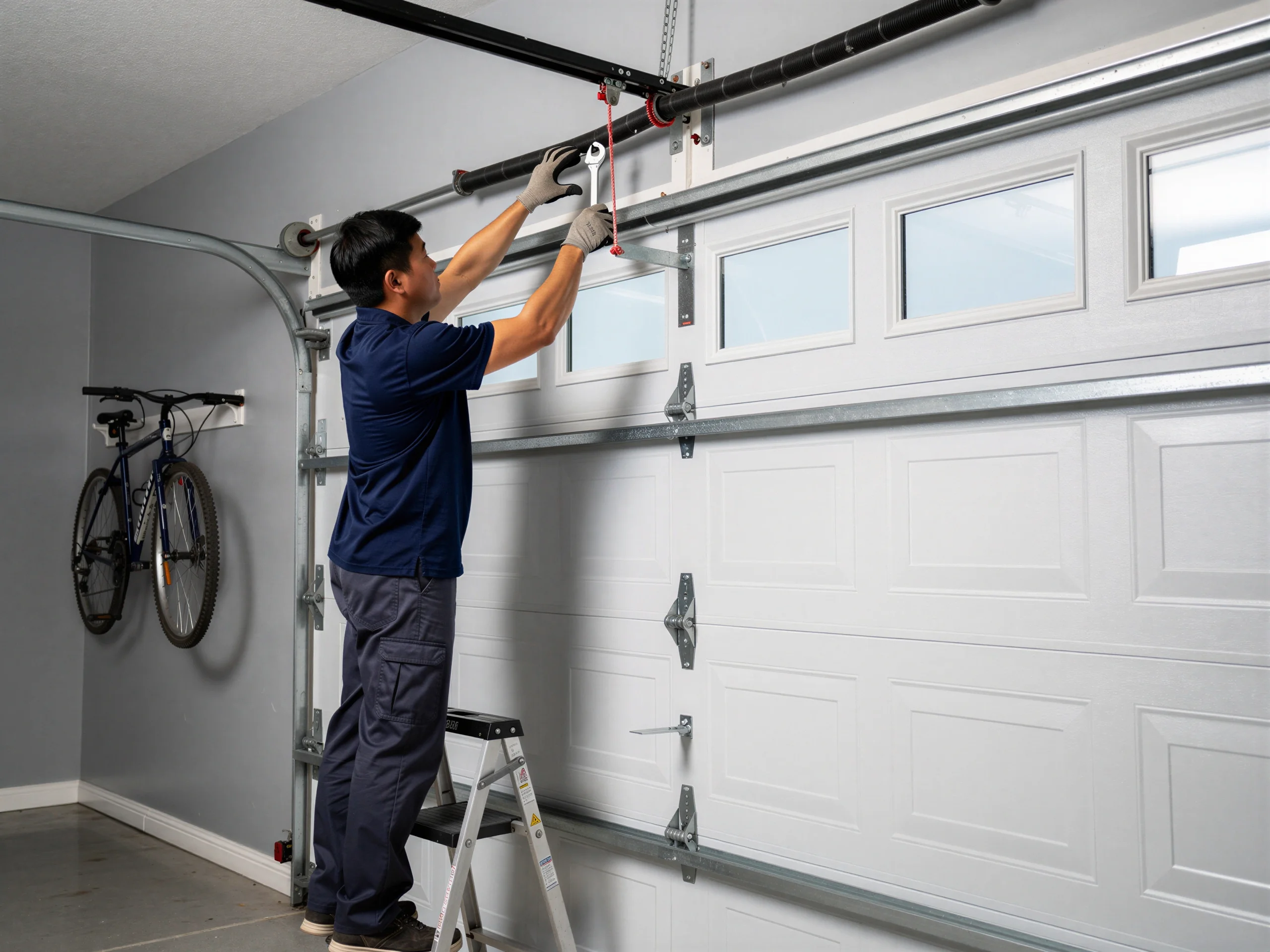
Popular Services
What Is on the Truck
St. Michael skews newer than a lot of the territory we cover out of Big Lake. Across the 19 areas we serve, the typical house went up somewhere between 1973 and 2007, median around 1995 - a lot of 1980s and 90s stock mixed with older and newer pockets.
Newer local housing stock
St. Michael sits right at that newer edge, with a local median build year around 1997. That two-year gap against the area median sounds small, but it matters on the truck: it means fewer of the original one-piece doors and side-mount torsion setups we still run into in the older pockets, and more factory steel sectional doors with standard torsion springs already in place from the builder.
Standard parts emphasis
So what we carry for a St. Michael call looks different than what we'd load for an older block elsewhere in the territory. More stock torsion springs in common wire sizes, more standard extension cables, fewer of the odd-length tracks and obsolete hinge patterns that an older door demands.
Carrying both part eras
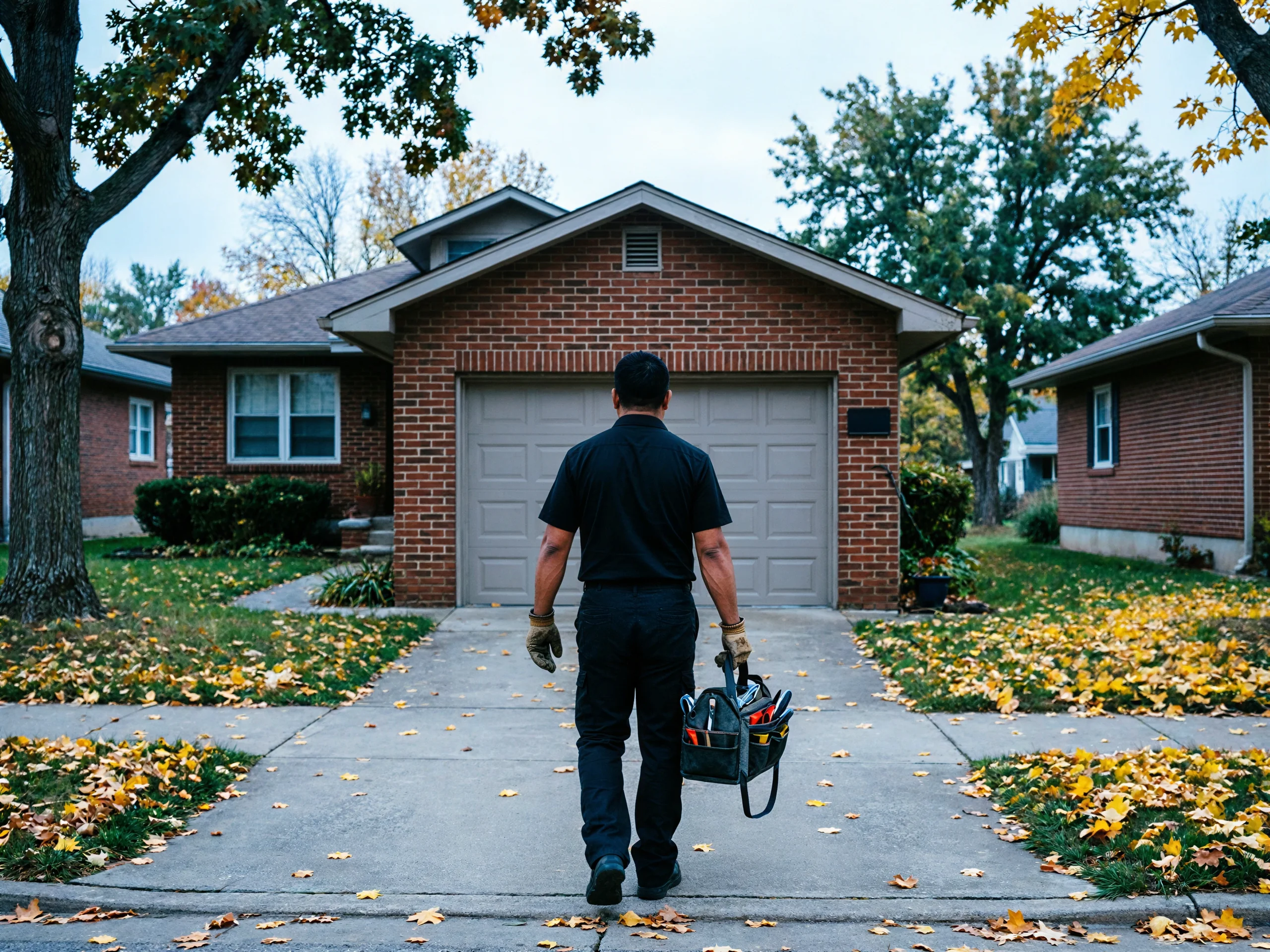
We still bring both, because "mostly newer" isn't "all newer" - a house built just outside that window needs the older parts, and we'd rather have them and not need them. We travel the 10 miles from Big Lake for every call here. That's worth knowing up front: there's no local branch, no truck parked around the corner. It's one trip, planned, not a drop-everything dash.
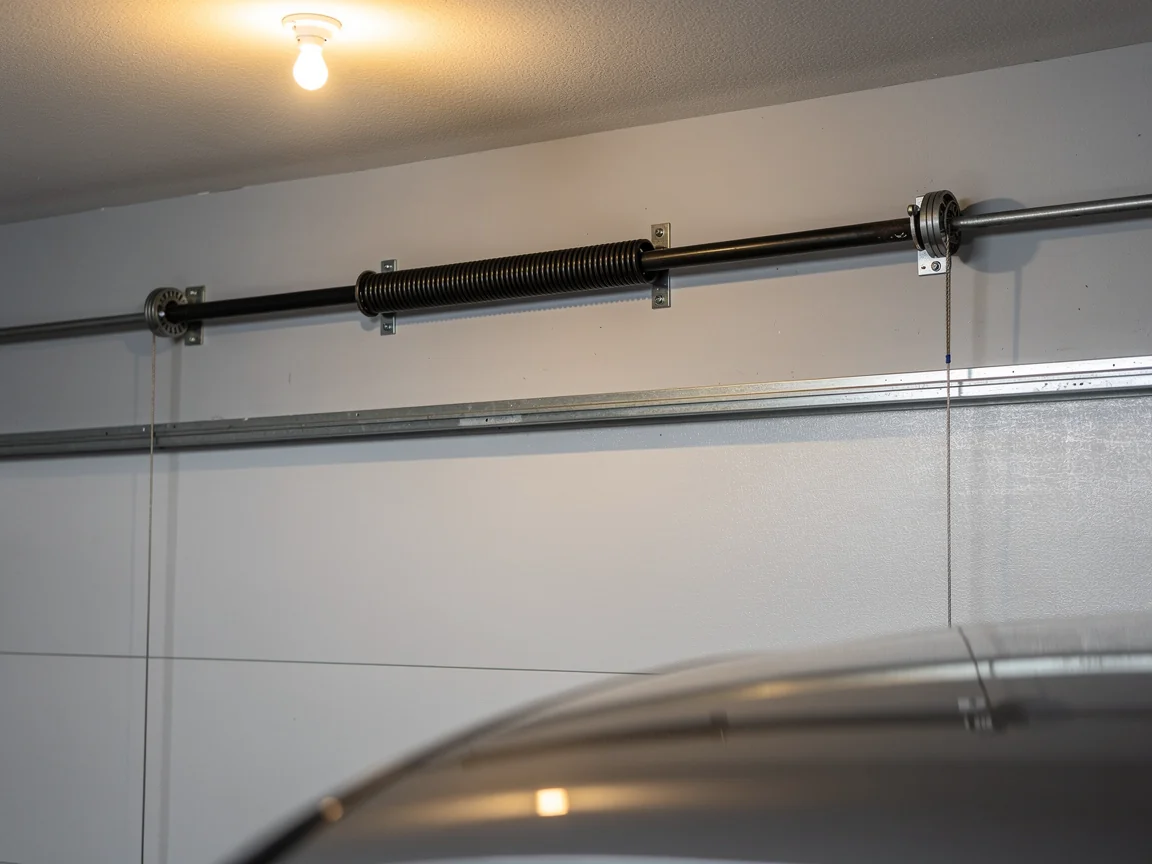
Where This Job Goes Sideways
A door that was fine for twenty years and then starts binding usually isn't a coincidence of age alone - it's the cold. This part of Minnesota sits in a severe cold climate band, and a steel sectional door built in the 90s handles that differently than one built in the 70s.
Insulated door opener strain
Newer doors here tend to have factory-insulated panels and tighter weather seals, which is good for the garage but means the opener is doing more work to move a heavier, better-sealed door once the seals stiffen up in January.
Hidden tension loss signs
Where this goes wrong is when a homeowner assumes a slow or noisy door just needs oil. On a newer torsion setup, a spring that's lost tension doesn't always show it as an obvious sag - it shows up as the opener straining, the door reversing partway up, or a louder-than-usual slam on the way down.
Lubricant band-aid risks
Push through that with WD-40 and a few more cold mornings, and you're looking at a cable jumping its drum or an opener gear stripping under the extra load. The honest version: we can't always tell over the phone whether it's the spring or the opener taking the strain, and a wrong guess on a torsion spring, under tension, is not a DIY diagnosis worth risking.
Doing It Yourself
Plenty of garage door jobs are fair game for a homeowner - tightening loose hardware, clearing track debris, swapping worn weatherstripping, lubricating rollers and hinges.
Weekend limits for spring
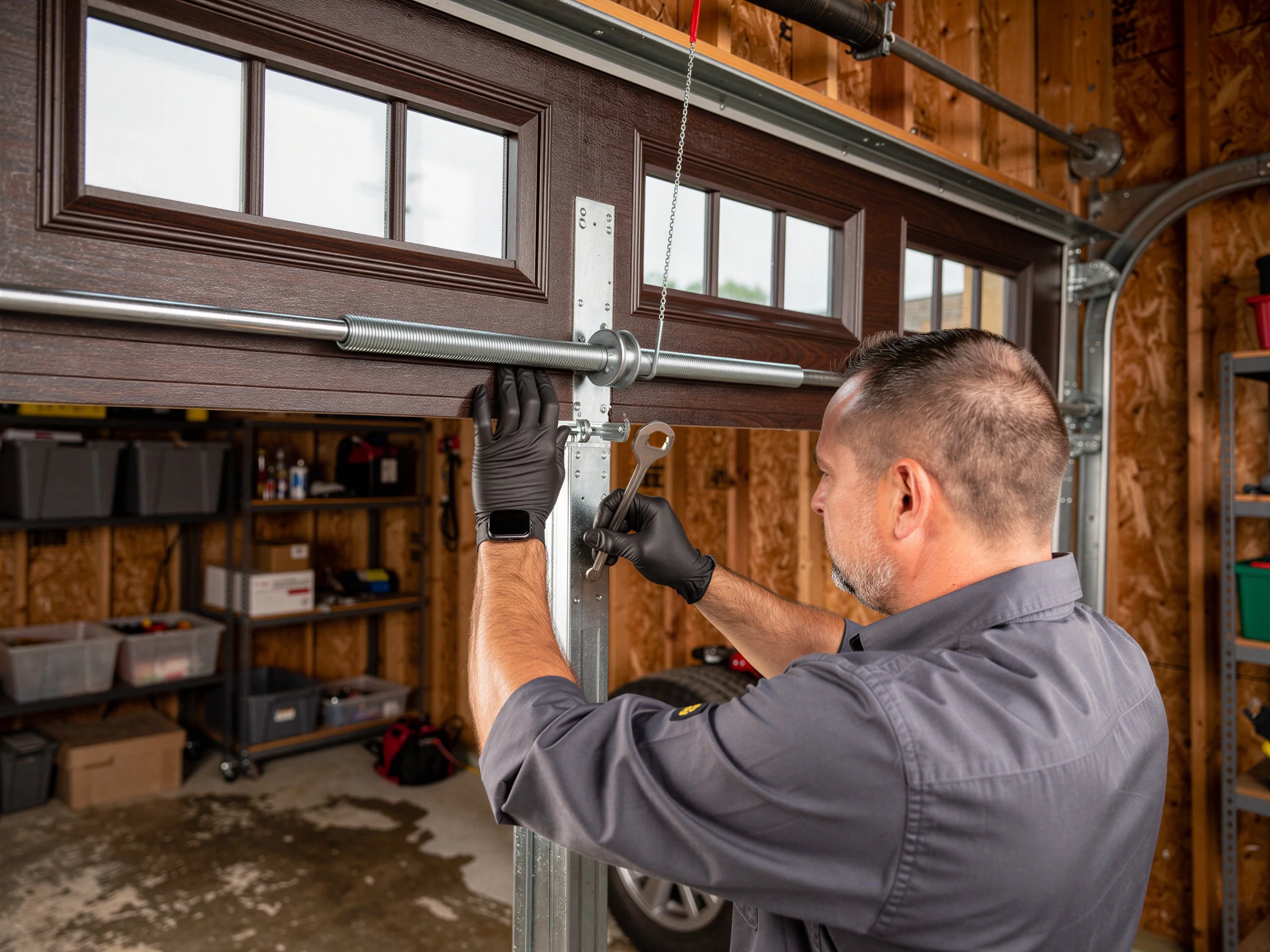
None of that needs a call. What doesn't belong on a Saturday project list is anything touching a torsion spring under load, or a cable on a drum. Those parts are coiled or routed with enough stored force to do real damage, and that's true whether the house went up in 1975 or 1999.
Newer springs still dangerous
The newer builder-grade torsion springs common in St. Michael houses are still wound to full tension - age of the house doesn't make the spring safer to handle, it just changes which wire gauge you're dealing with. We'll also say plainly: we don't recommend chasing an opener problem with parts ordered online based on a model number photo.
Board variation by year
Opener boards and logic circuits vary enough by production year that the wrong board looks right and doesn't work. If the fix is a spring or a cable, that's a call. If it's a squeak or a loose bracket, grab the ladder.
The Symptom
The complaint we hear most from this side of the territory is a door that reverses on the way down, or stops a few inches up and won't go further. On a house from the newer end of the local stock, that's rarely a track problem - it's almost always the opener's force or travel settings fighting a spring that's drifted out of balance, which on a factory torsion setup happens gradually and without warning.
A second common one: an opener that runs louder than it used to, especially in the coldest months, without any visible damage. That's usually the door working harder against a stiffened seal and a spring carrying slightly less of the door's actual weight than it was set to carry when new. Neither of these is an emergency the first day it shows up, and neither needs a same-day panic call - but neither gets better on its own either. Left alone through a full winter, either one tends to end with a stripped opener gear or a snapped cable instead of a simple spring adjustment.
Questions
Common questions
Why does St. Michael need different parts than other towns you cover?
Because the housing here skews newer than a lot of the territory - median build year around 1997 against a service-area median of 1995. Newer builds mostly carry factory steel sectional doors on standard torsion hardware, which is a different parts list than the older one-piece doors and side-mount torsion setups still common in older pockets nearby.
Do you have a crew based in St. Michael?
No. We work out of Big Lake and drive the 10 miles to St. Michael for every job. There's no local depot and we don't quote a guaranteed response window from here - it's a planned trip, not a standing presence.
My door reverses partway up - is that an emergency?
Not usually on day one, but don't ignore it. On the newer torsion setups common here, a partial reversal is typically the opener fighting a spring that's drifted out of balance. Left through a cold winter it tends to progress to a stripped gear or a broken cable instead of a simple adjustment.
Can I replace a torsion spring myself since my house is newer?
No. A newer build year changes the wire gauge, not the stored tension. Torsion springs on any factory-installed sectional door are wound tight enough to cause real injury if mishandled, regardless of whether the house was built in 1975 or 1999.
Explore more
More Services in St Michael
Ready when you are
Garage door trouble in St Michael?
Big Lake Garage Door Pros repairs and installs garage doors, springs and openers in Big Lake, MN and the surrounding area.