 The Sounds Your Big Lake Garage Door Makes, Explained
Big Lake homes built 1973-2007 make specific noises as cold winters stress hardware that's now 20 to 50 years old.
Openers, Power Cuts, and the Big Lake Housing Stock
Big Lake homes built 1973-2007 pair aging chain-drive openers with a cold climate that drops power. Here's what that combination actually does to your door.
Local detail
What Is Going On
Most houses in Big Lake went up between 1973 and 2007, with the bulk of that stock from the 1980s and 90s. That matters for openers because a lot of those units are original to the house or are the first replacement a homeowner ever made - chain-drive motors built before battery backup was a standard feature. When the power goes out, which it does here with some regularity in a severe cold climate, that opener just stops. No backup, no warning light, no slow fail. It's on, then it's off, and the door is wherever it happened to be when the lights went.
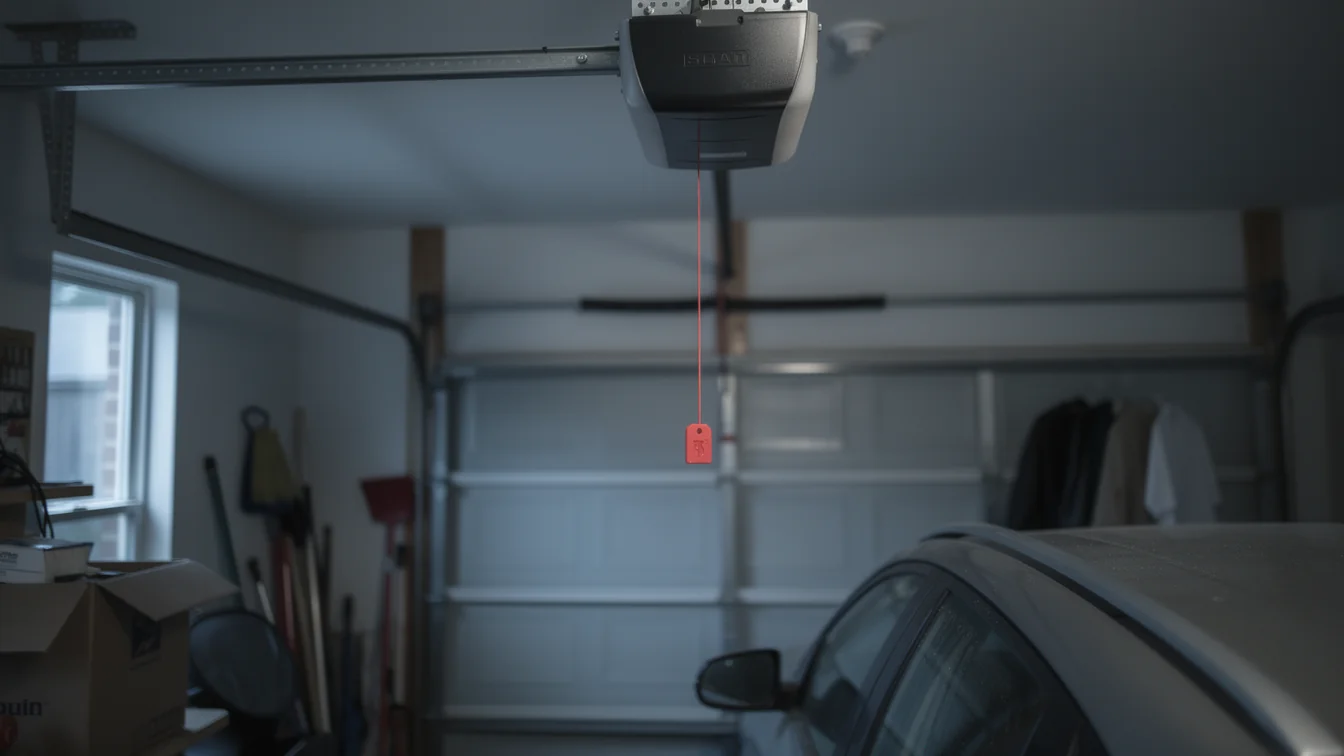
The second piece is the release mechanism. Openers from that era use a manual-release cord you pull to disconnect the trolley from the chain so you can lift the door by hand. It works, but only if the spring system is doing its job and the door isn't iced to the slab. In a stretch of single-digit nights, that's not a given.
The area
What Local Conditions Do
Big Lake sits in a cold-severe climate band, and that does two specific things to an opener system. First, cold makes grease and chain lube stiffen, so the drive drags and the motor works harder to move a door it used to move easily - more amp draw, more heat in the circuit board, shorter life on units that are already fifteen or twenty years into a house built in the 1980s or 90s. Second, cold weather is what knocks out power around here in the first place: ice loading on lines, wind-driven outages. Put those two together and you get the exact failure pattern we see most: the opener finally quits on the coldest night of the stretch, right when the power's already unreliable.
None of this is a defect in the door. It's what happens when 1970s-to-2000s opener hardware meets a winter that regularly tests it. Newer openers handle both problems better - sealed circuit boards, battery backup as a standard option - but that's a different unit than what's bolted to the ceiling in most of these houses.
What we find
Where People Go Wrong
The most common mistake is assuming the manual-release cord is a complete workaround during an outage. It disconnects the opener, but it doesn't change the fact that a torsion spring from the 1980s or 90s, under a full winter's worth of cold stiffening, may not lift the door the way it did when new. People pull the cord, try to lift by hand, and either can't move it or move it too fast and let it slam.
The second mistake is treating the opener as the whole system. In houses this age, the opener, the spring, and the track were all specified together for a door that's now ten, twenty, or thirty years past its original install. Replacing the opener alone, without checking whether the spring is still rated for the door's weight, just moves the failure point somewhere else.
The third is waiting for warm weather to deal with a cold-weather problem. A chain that's dragging in January won't fix itself in June - and by then you've run the motor hard for months.
How we work
When to Call Someone
Call if the opener runs but the door is slow, noisy, or hesitates partway - that's usually chain drag or a spring compensating for cold stiffness, and it's worth catching before the motor burns out. Call if you've had a power outage and the manual release won't lift the door by hand without real effort; that's a spring question, not an opener question, and it's not safe to force.
We don't do electrical panel work or standby generator installs - if your outages are a house-wiring issue, that's a licensed electrician's job, not ours. What we do handle is the door side of it: opener replacement with battery backup for houses that are still running 80s or 90s units, spring adjustment for cold-weather lift, and chain or belt service so the drive isn't fighting itself every winter night.
Questions
Common questions
Why does my opener die every time the power goes out?
If your house was built in the 1973-2007 range - which covers most of Big Lake - there's a decent chance your opener predates battery backup as a standard feature. No backup means no power, no movement, full stop. A battery-backup opener is the fix if outages are frequent enough to matter to you.
Can I just lift the door by hand during an outage?
Usually, yes, using the manual-release cord. But in a cold-severe climate, a spring that's stiffened up from the cold may not lift as easily as it did when the house was newer. If it feels hard to move or you have to force it, stop and call rather than risk the spring or your back.
Is it worth replacing the opener and not the spring?
Depends on the spring's age and condition. Opener and spring were sized together for your door originally; replacing one without checking the other can leave you with a new motor straining against an old spring. We check both when we're out.
How often should I service the opener chain in winter?
We don't have a universal number that fits every door, but if you're hearing drag or grinding on cold mornings, that's your signal - don't wait for a full season to pass.
Recommendation
You Might Also Like
More garage door guides for Big Lake homeowners.
The Sounds Your Big Lake Garage Door Makes, Explained
Big Lake homes built 1973-2007 make specific noises as cold winters stress hardware that's now 20 to 50 years old.
 What We Actually Check on a Big Lake Service Call
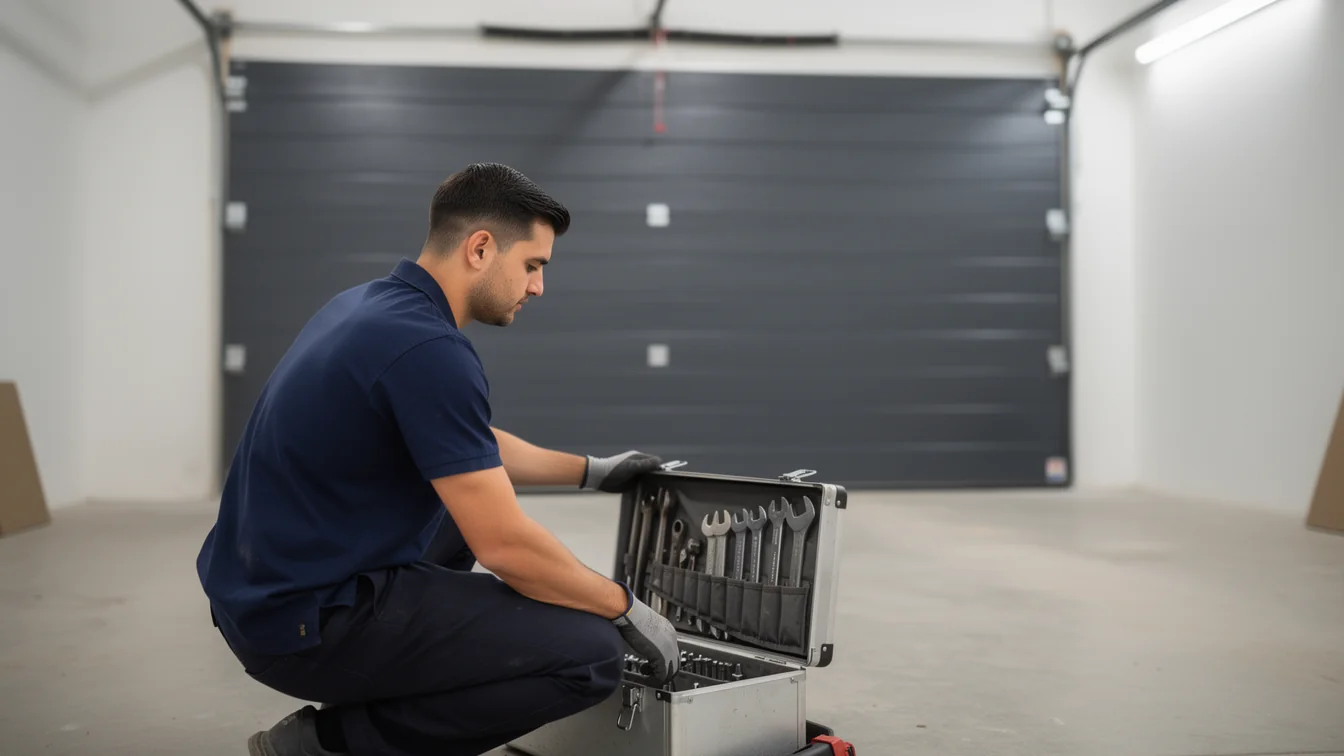
A look at what Big Lake Garage Door Pros actually checks on a service call, tied to the 1973-2007 housing stock and cold-climate wear common around Big Lake, MN.
 Why a Garage Door Goes Off Track Here
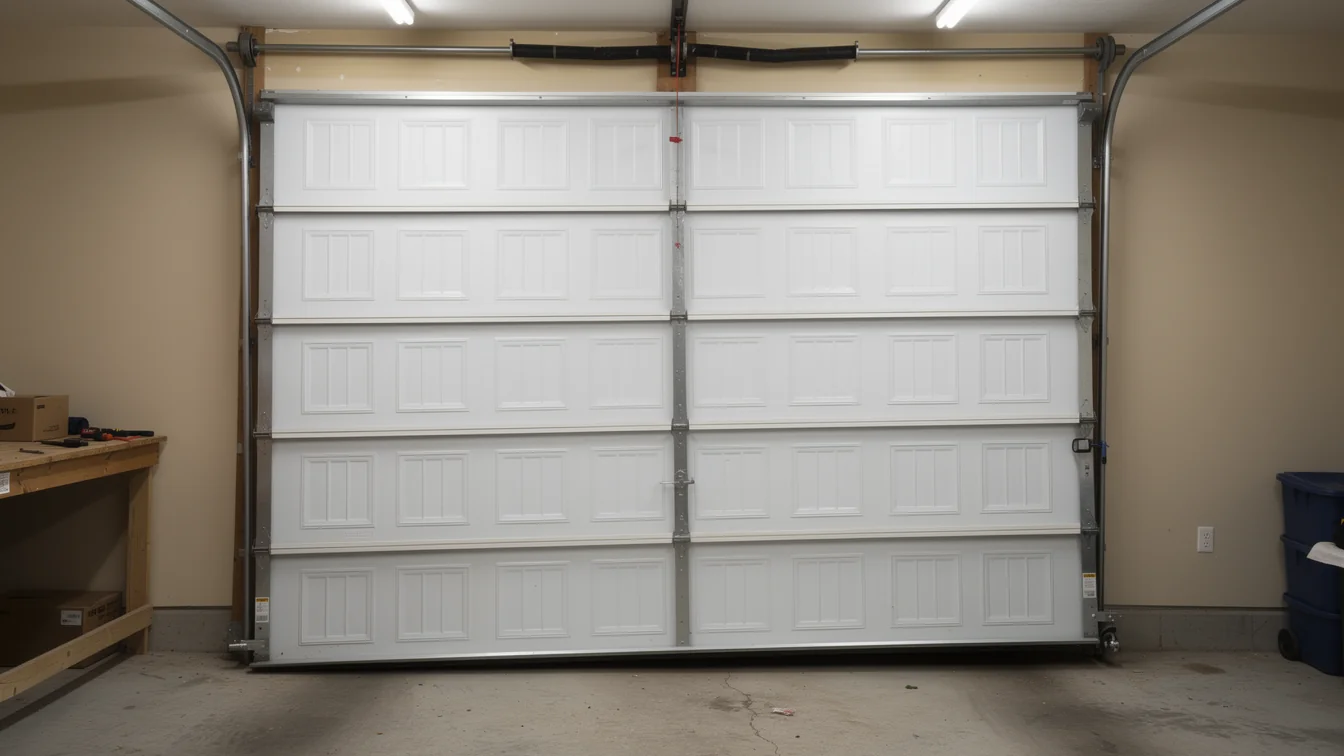
Big Lake's 1970s-2000s housing stock and severe cold band both push tracks out of alignment in specific ways.
Ready when you are
Need a garage door sorted in Big Lake?
Big Lake Garage Door Pros repairs and installs garage doors, springs and openers in Big Lake, MN and the surrounding area.