 Openers, Power Cuts, and the Big Lake Housing Stock
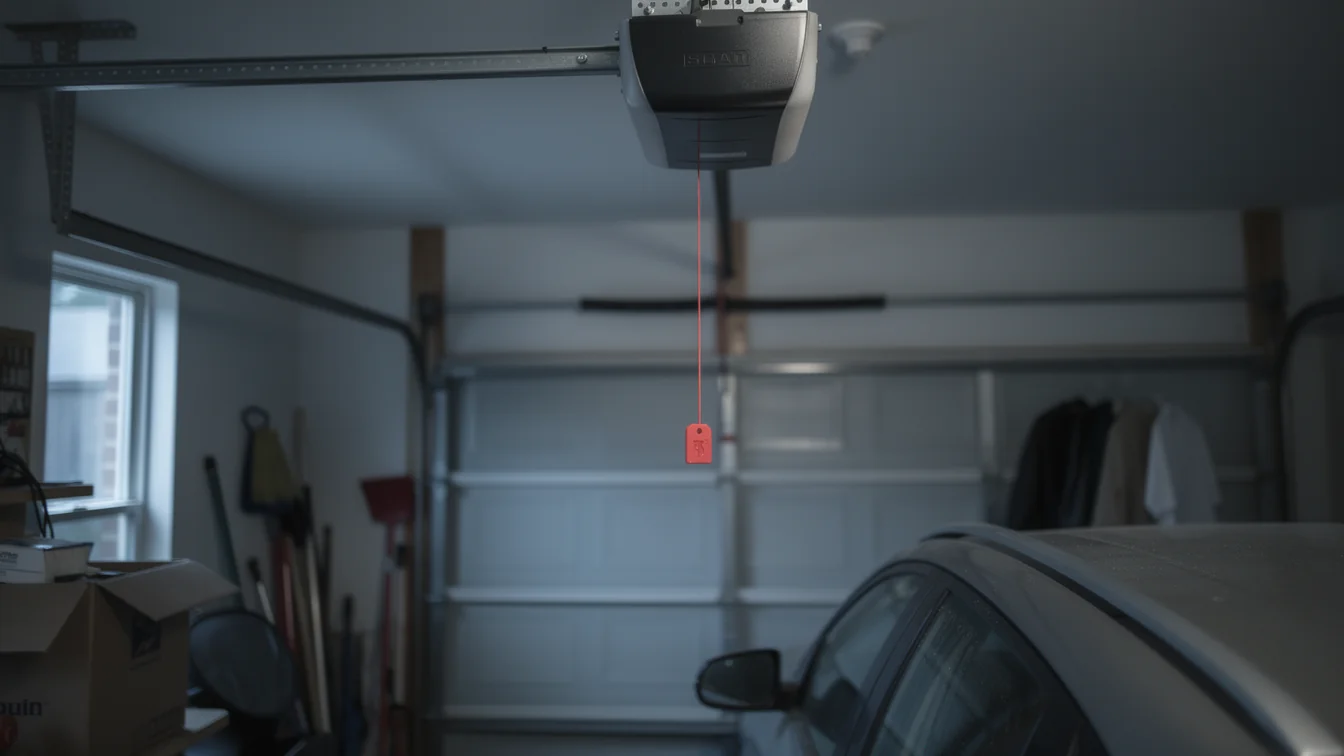
Big Lake homes built 1973-2007 pair aging chain-drive openers with a cold climate that drops power.
What We Actually Check on a Big Lake Service Call
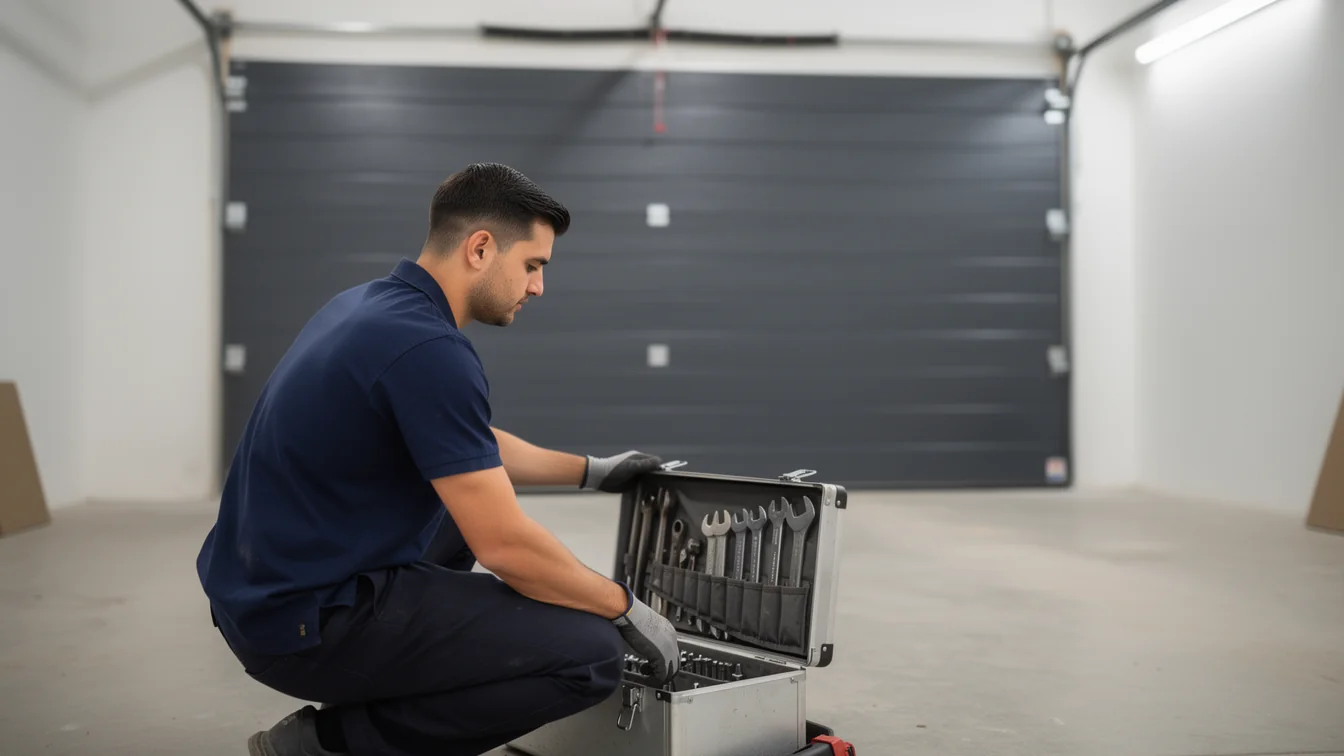
A look at what Big Lake Garage Door Pros actually checks on a service call, tied to the 1973-2007 housing stock and cold-climate wear common around Big Lake, MN.
Local detail
What Is Going On
Most of the houses we get called to around Big Lake went up somewhere between 1973 and 2007, with the median build year sitting around 1995. That's a specific window, and it matters because the doors, openers, and track hardware from that era are a different generation than what's sold today. A lot of these garages still have their original torsion springs or a first-generation chain-drive opener that was never swapped out when the owner bought the house secondhand or inherited it from the original builder package.
When we show up for a service call, we're not guessing at what decade we're dealing with. A door installed in 1995 is pushing 30 years of cycles, and torsion springs are rated in cycles, not years - most wear out between 7 and 12 years of normal use. So on a house in that median build range, the spring on the door has usually been replaced at least once already, sometimes by whoever owned the house before, sometimes never. The first thing a tech does is figure out which generation of hardware they're actually standing in front of, because the fix for a worn 1990s extension-spring setup is not the same as the fix for a newer torsion system.
That's the starting point for every call: age the hardware before you diagnose the symptom.
The area
What Local Conditions Do
Big Lake sits in a cold climate band with severe winter conditions, and that changes what actually breaks compared to a mild-climate town. Cold doesn't just make things stiff - it shrinks metal, thickens lubricant, and makes a marginal part fail outright instead of just squeaking. A torsion spring that's lost 10% of its tension might limp along fine in August and snap clean in January when the steel contracts and the opener has to pull harder to make up the difference.
We also see a lot of panel and weld-seam cracking on steel doors that's purely a function of repeated freeze-thaw cycling, not poor installation. Nylon rollers that have gone brittle from age get worse fast once temperatures drop, because cold makes the plastic lose what flex it had left. On a service call in winter, we're checking roller condition, spring tension, and opener force settings together, because all three get stressed at once by the same cold snap - not just the part that happens to be making noise.
This is also why we don't recommend lubricants that gum up below freezing. The wrong grease in a cold garage causes more drag than no grease at all.
What we find
Where People Go Wrong
The most common mistake we see on these calls is someone treating a symptom instead of the system. A door that's suddenly loud gets WD-40 sprayed on the hinges, which quiets it down for two weeks and does nothing for the actual cause - usually a roller or a spring that's past its rated cycle count given the age of the house.
The second mistake is assuming the opener is the problem when the door itself is out of balance. If a torsion spring has weakened, the opener motor has to work harder to lift the door, and that extra strain burns out drive gears and circuit boards years before they should fail. Replacing the opener without addressing the spring just moves the failure point - the new opener burns out the same way, just slower.
Third, on houses from the 1980s and 90s stock across this area, we run into owners who've had a panel replaced that doesn't quite match the original, because the door was built before the current standard panel sizes were common. That's a real limitation: we can match most panels, but on an older or oddball door, full replacement sometimes makes more sense than chasing a part that's been out of production for a decade. That's not an upsell - it's just the math on parts availability.
How we work
When to Call Someone
Call before the door fails completely, not after. If a door that used to open quietly is now grinding, shuddering, or stalling halfway up, that's the hardware telling you it's near the end of its cycle life - and on a house built in the 1973-2007 window, that's an expected point to be at, not a surprise. Waiting until a cable snaps or a spring breaks mid-lift turns a controlled service call into an emergency with the door stuck wherever it happened to be.
We also recommend a check-in any time winter is about to set in, since the severe cold here is what turns a marginal part into a failed one. A five-minute balance test and a look at roller condition before the first hard freeze catches most of what would otherwise be a January breakdown.
If you're not sure whether what you're hearing is normal wear or something about to go, that's a fair reason to call on its own. We'd rather look at a door that turns out fine than get the call after it's come off the track.
Questions
Common questions
How do you know how old my garage door hardware is?
Most houses in this area were built between 1973 and 2007, with the median around 1995, so we start by aging the door against that range. Torsion springs are rated in cycles, and a door from the 1990s has usually already outlived at least one spring. We check the spring, rollers, and opener together rather than assuming any one part is original.
Why does my door act up specifically in winter?
This area sits in a cold, severe winter climate band, and cold steel and nylon behave differently than at room temperature. A spring running slightly under tension or a roller that's gotten brittle can work fine in summer and fail outright once temperatures drop, because the materials have less give left in them.
Is it worth fixing an old panel instead of replacing the whole door?
Sometimes, sometimes not. On houses from the 1980s and 90s stock common across this area, panel sizes from that era don't always match what's made today. We'll tell you straight if a matching panel isn't realistically available - full replacement is sometimes the more honest answer than chasing discontinued parts.
Do you serve areas outside Big Lake itself?
We work across the surrounding area, including towns like Monticello, Otsego, and Albertville a few miles out, along with Becker, St. Michael, and Silver Creek. Distance and the age of the housing stock in each spot factor into what we expect to find on a given call.
Recommendation
You Might Also Like
More garage door guides for Big Lake homeowners.
Openers, Power Cuts, and the Big Lake Housing Stock
Big Lake homes built 1973-2007 pair aging chain-drive openers with a cold climate that drops power.
 Why a Garage Door Goes Off Track Here
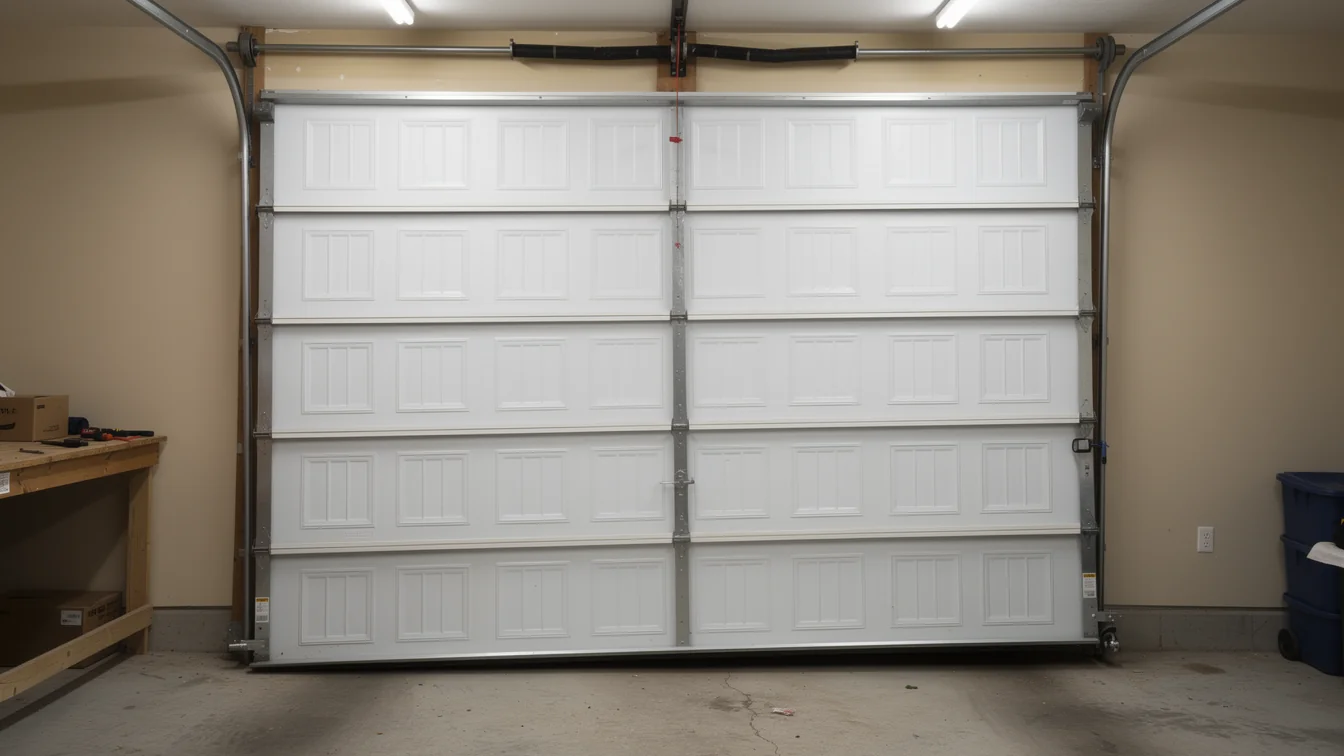
Big Lake's 1970s-2000s housing stock and severe cold band both push tracks out of alignment in specific ways.
 The Sounds Your Big Lake Garage Door Makes, Explained
Big Lake homes built 1973-2007 make specific noises as cold winters stress hardware that's now 20 to 50 years old.
Ready when you are
Need a garage door sorted in Big Lake?
Big Lake Garage Door Pros repairs and installs garage doors, springs and openers in Big Lake, MN and the surrounding area.