
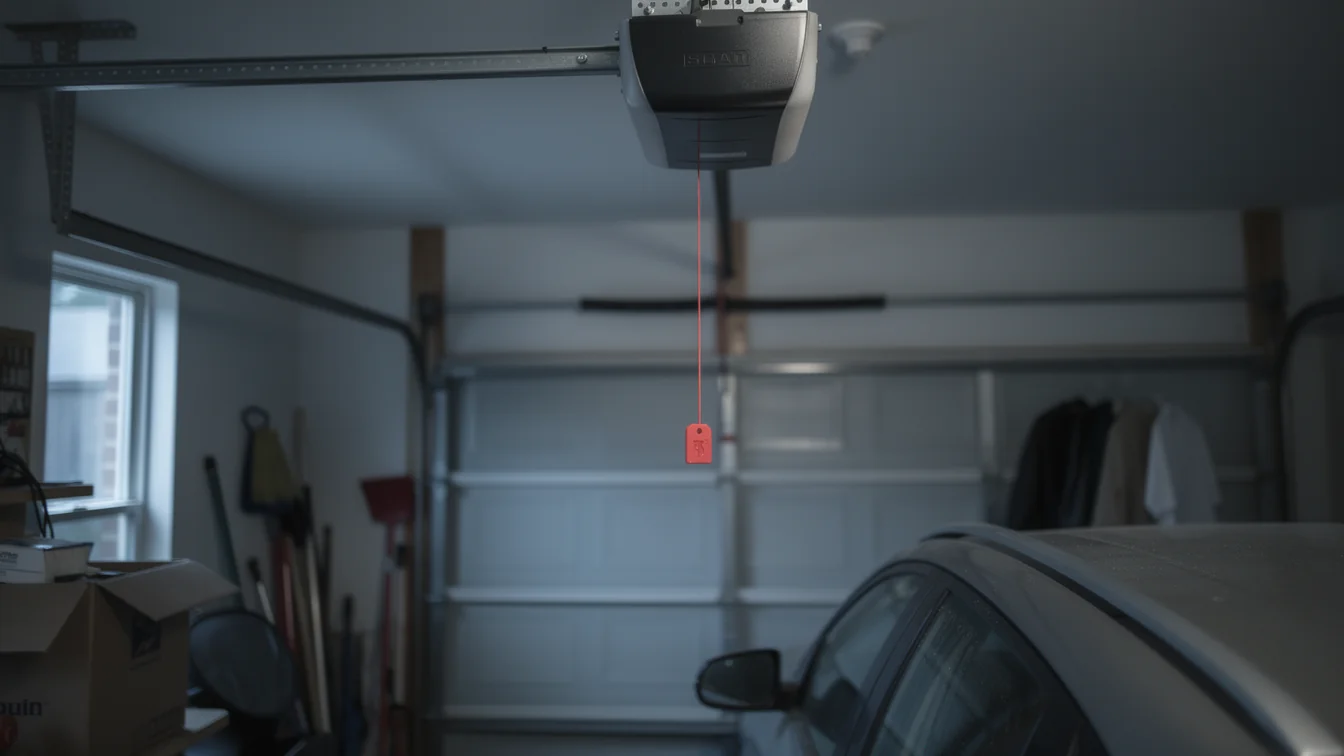
 Openers, Power Cuts, and the Big Lake Housing Stock
Big Lake homes built 1973-2007 pair aging chain-drive openers with a cold climate that drops power.
Why a Garage Door Goes Off Track Here
Big Lake's 1970s-2000s housing stock and severe cold band both push tracks out of alignment in specific ways. Here's what actually causes it and when to call.
Local detail
What Is Going On
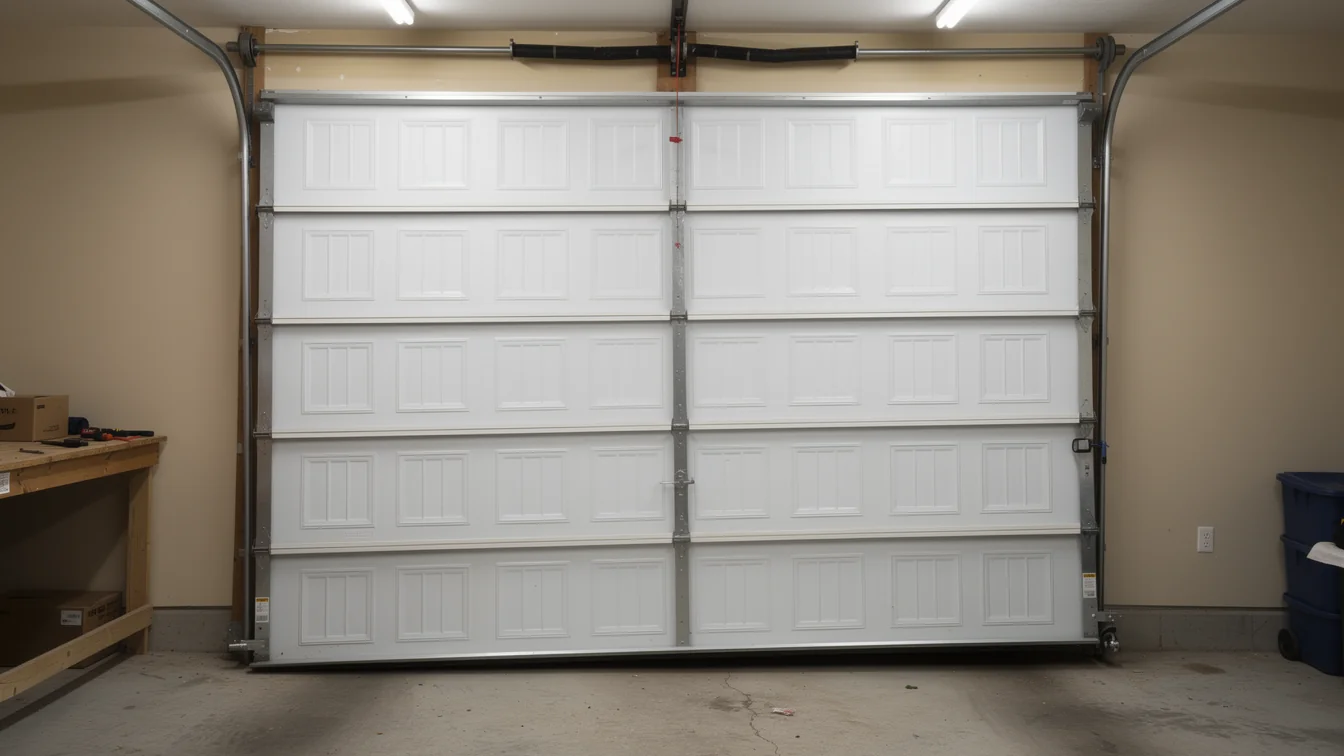
A door off track almost never happens because of one dramatic event. It's usually the slow result of a bracket working loose, a roller wearing down, or a track bolt backing out a sixteenth of an inch at a time until one day the door binds, jumps the rail, or drops crooked when it closes. In a house from this area's typical build era - 1973 to 2007, with the median sitting around 1995 - the hardware is original steel track bolted to wood jamb framing, not the steel-framed openings you'd find in newer construction. That wood moves seasonally. The bolts holding the track to it don't always move with it, and over twenty or thirty years the holes elongate. Once there's play in the mounting, the track isn't rigid anymore, and a rigid track is the entire point of a track. A door that looks fine standing still can still be a half-inch off plumb at the top bracket, and you won't see it until the door's halfway up and suddenly leaning. This isn't a defect in how the house was built - it's just what happens to steel-on-wood hardware after three decades of a door running on it twice a day.
The area
What Local Conditions Do
Big Lake sits in a climate band classified as severely cold, and that matters more for tracks than most people expect. Frost heave under a garage slab doesn't move the whole slab evenly - it lifts unevenly at the edges where the slab meets the footing, and the vertical track sections are bolted right along that edge. Over a winter or two, the bottom bracket on one side can sit a fraction of an inch higher or lower than it did in fall. That's enough to put the track out of parallel, and a door running on two tracks that aren't parallel will walk itself off the rollers eventually. Cold also stiffens the steel in the rollers and tightens clearances everywhere, so a track that was marginally out of alignment in August can bind hard in January. None of this shows up on a warm afternoon when someone's deciding whether to call. It shows up at 6 a.m. in February when the door won't move, and by then the roller's usually chewed up the track lip enough that straightening it isn't an option anymore - it needs replacing.
What we find
Where People Go Wrong
The most common mistake is forcing a door that's binding instead of stopping it. The opener doesn't know the track is bent - it just keeps pulling, and that's how a minor misalignment turns into a roller torn clean off its stem or a track bent badly enough to need full replacement instead of a bracket tightening. The second mistake is tightening the track bolts without checking why they loosened in the first place. If the wood jamb has shifted with the season, as it does in a lot of the 1980s and 90s construction common across this area's 19 named neighborhoods, re-torquing the same bolts into the same soft holes just buys a few months before it happens again. People also tend to blame the opener when a door runs rough, when more often it's the track or rollers doing the work badly and the opener is just the thing making the noise. We won't pretend every bent track can be straightened back to spec - if it's kinked more than about a quarter inch, we replace the section rather than hammer it, because a track that bends once bends again.
How we work
When to Call Someone
If the door is visibly leaning to one side as it travels, if you can see daylight between a roller and the track, or if the door's making a grinding or popping sound partway through its run, stop using it and call before you run it again. Running a misaligned door even once more can bend the track further or pull a cable off its drum, which turns a track adjustment into a bigger repair. A door that's merely slow to close or a little noisy can usually wait for a scheduled visit. One that's jumped the track partially, or that stopped mid-run and won't go either direction, is a same-day call - at that point the door is a safety issue, not a maintenance item, especially with a 1970s-to-2000s vintage door where the hardware wasn't built with today's safety reversal standards in mind.
Questions
Common questions
Can I push a door back onto its track myself?
We don't recommend it. A door is under spring tension even when it looks still, and pushing on a track that's off alignment can snap a cable or drop the door suddenly. If it's off the track but not fully derailed, leave it where it stopped and call rather than forcing it back into the rail yourself.
Is a bent track always a full replacement?
Not always, but often in this area's older housing. If the bend is minor and the mounting is solid, we can sometimes re-align and re-anchor it. Past about a quarter inch of bend, straightening doesn't hold - the steel has a memory and it bends the same spot again within a season, so we replace the section instead.
Why does my door act up specifically in winter?
Frost heave under the slab shifts the track's bottom bracket slightly, and cold steel has tighter clearances, so a door that was barely tolerable in fall can bind or jump the roller once temperatures drop. It's a seasonal issue tied to how this climate moves concrete and tightens hardware, not a sign the door is failing outright.
Recommendation
You Might Also Like
More garage door guides for Big Lake homeowners.
Openers, Power Cuts, and the Big Lake Housing Stock
Big Lake homes built 1973-2007 pair aging chain-drive openers with a cold climate that drops power.
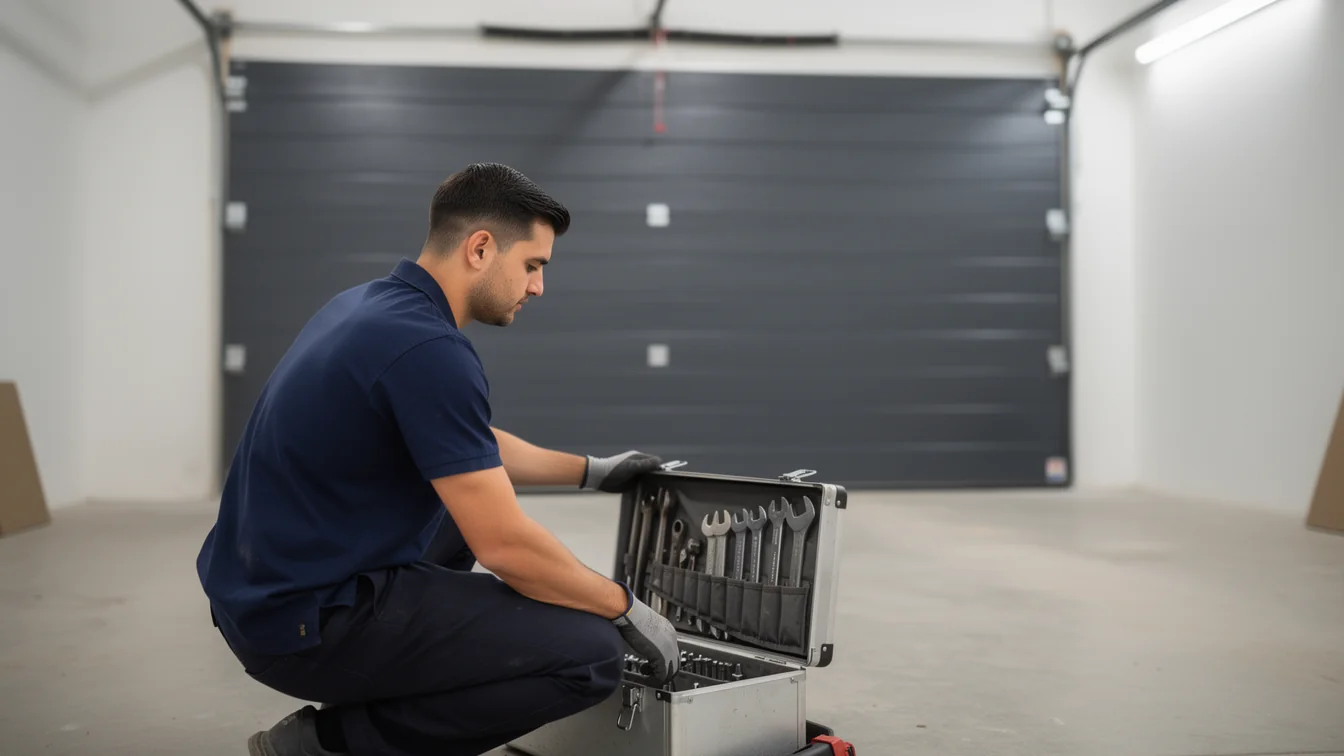 What We Actually Check on a Big Lake Service Call
A look at what Big Lake Garage Door Pros actually checks on a service call, tied to the 1973-2007 housing stock and cold-climate wear common around Big Lake, MN.
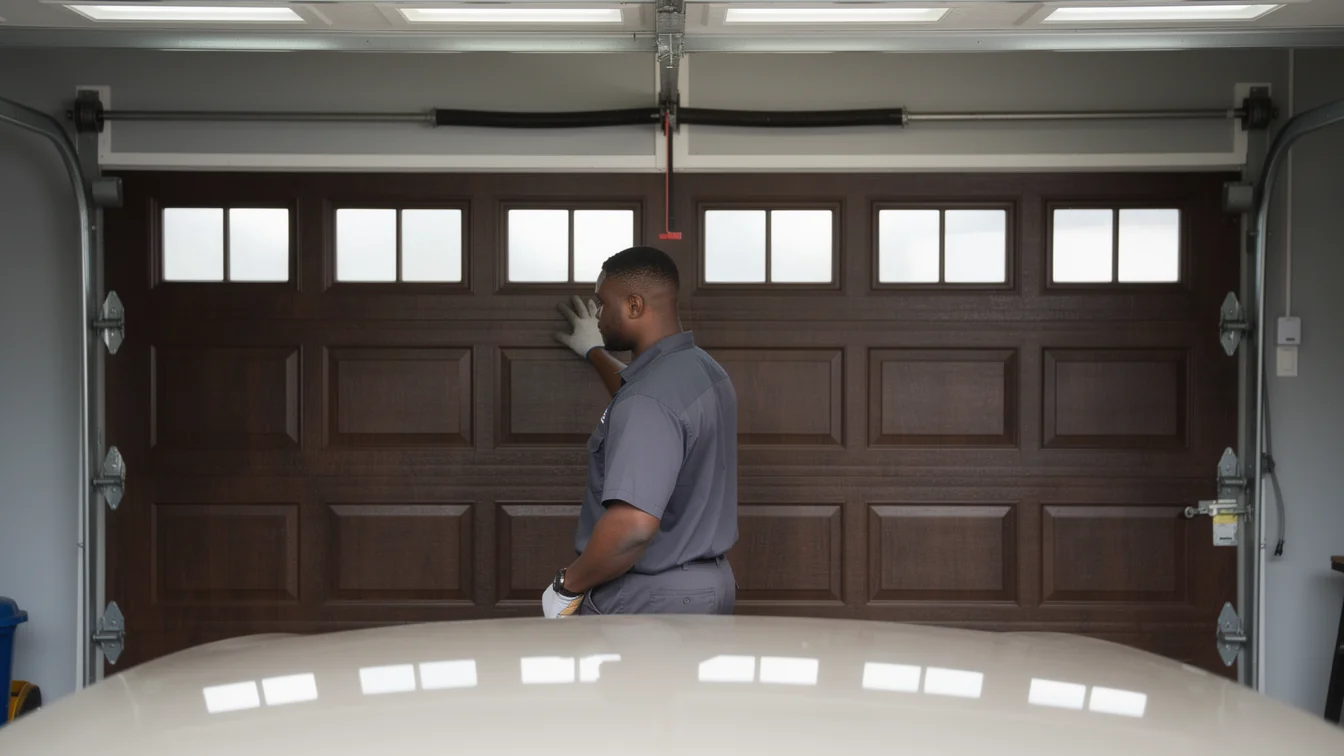 The Sounds Your Big Lake Garage Door Makes, Explained
Big Lake homes built 1973-2007 make specific noises as cold winters stress hardware that's now 20 to 50 years old.
Ready when you are
Need a garage door sorted in Big Lake?
Big Lake Garage Door Pros repairs and installs garage doors, springs and openers in Big Lake, MN and the surrounding area.