Dayton, Big Lake
Garage Door Service for Dayton's Newer Housing Stock
Dayton homes mostly went up after 2000, newer than most of the service area. Here's what that means for springs, openers, and what a service call actually costs.
Popular Services
The Symptom
Most houses in Dayton went up around 2003, a good decade or two newer than the typical build year across the rest of the territory we cover out of Big Lake.
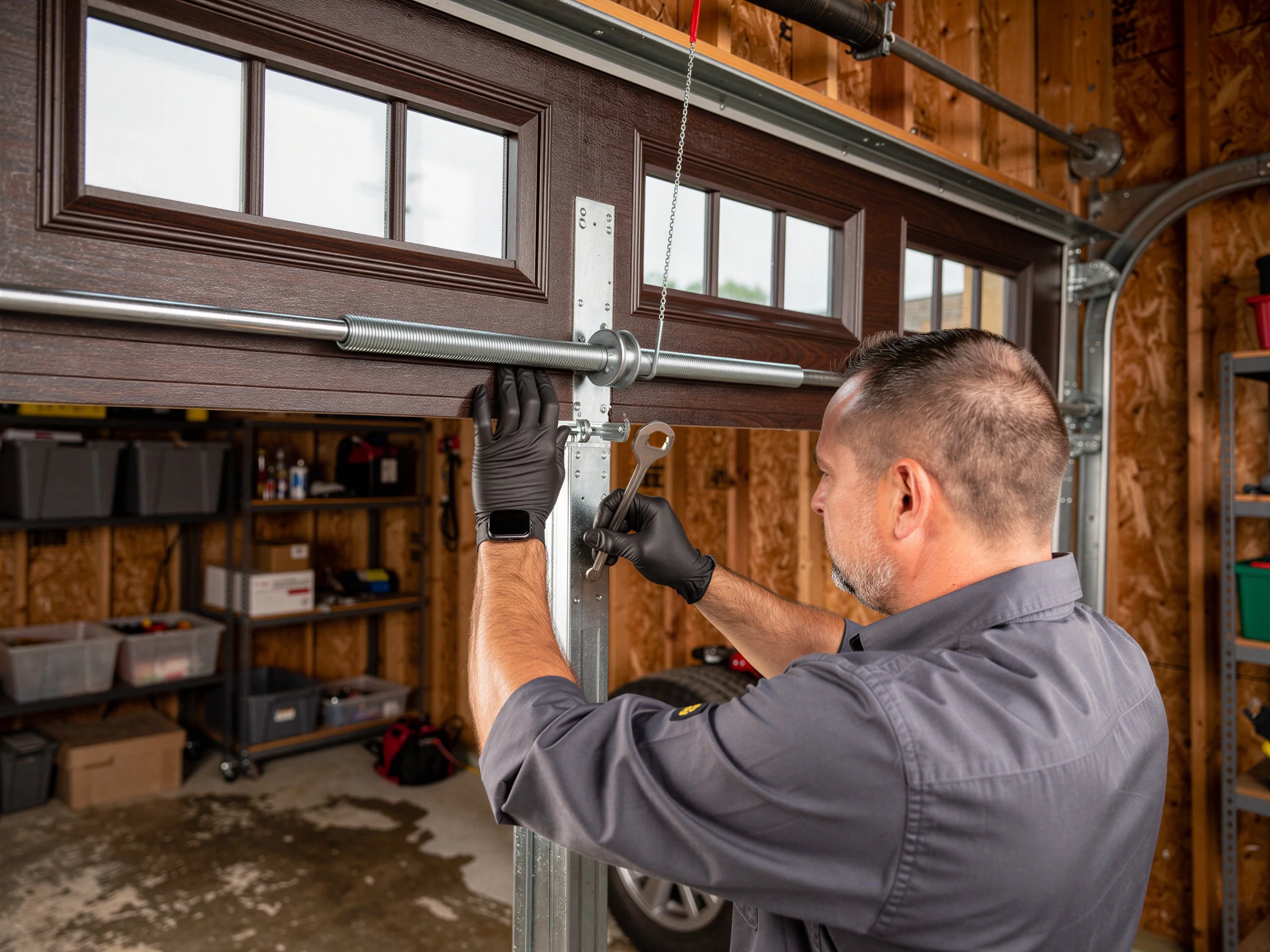
Lighter torsion spring sizing
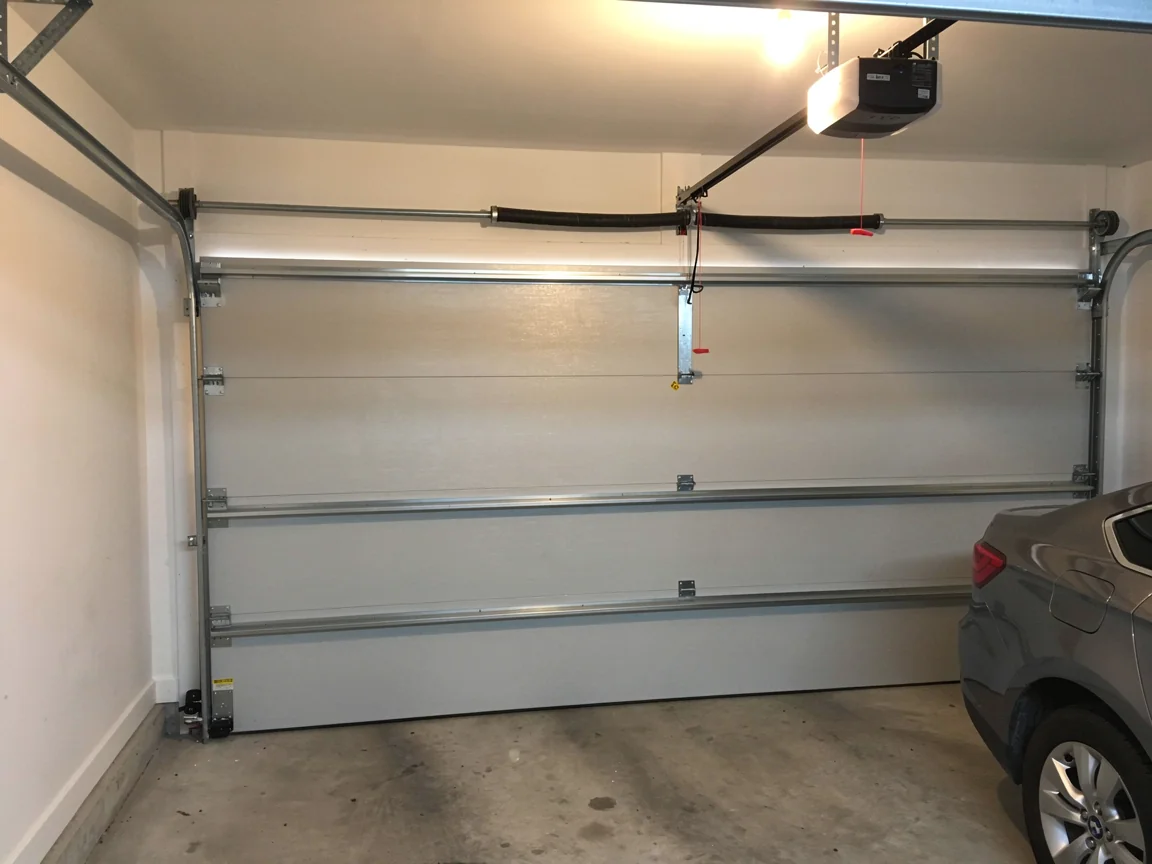
That matters more than it sounds like it should. A door hung in 2003 came with a torsion spring sized for a lighter steel section, a chain-drive or early belt-drive opener with a circuit board instead of the old relay logic, and plastic-and-steel rollers instead of the all-steel rollers you'd find on an older build.
Dropping door on spring failure
When that spring finally gives out - and 20-plus years is right about when they do - the door doesn't ease down, it drops. The opener strains on the up-cycle and starts grinding before it stops lifting at all.
Final-inches slamming
If your door is slamming the last six inches or the opener sounds like it's working too hard before the door's even halfway up, that's the symptom this generation of hardware throws, and it's different from what shows up on a house built in the 1980s.
Where This Job Goes Sideways
The trouble with 2003-era doors isn't that the parts are exotic - it's that they look fine right up until they aren't. Builders in that window favored lighter-gauge steel panels and single-spring setups on single doors, which hold up well under normal cycling but have almost no reserve once a cable frays or a bottom bracket starts walking.
Missed spring problems
We've found that a lot of these doors get one symptom fixed - a noisy roller, say - while the actual problem, a spring a season or two from failing, gets missed because nothing's broken yet.
Single spring double door
On a double door with a single torsion spring, that failure is sudden: the door comes down unbalanced and can bind in the track or drop hard on one side.
Cable snap risk
Dayton's winters are no different from the rest of the area we serve - Minnesota cold is Minnesota cold - so cold-stiffened steel cables and hardened lubricant on 20-year-old springs make a slow leak into a sudden snap more likely in January than July.
What It Costs
I don't have Dayton-specific pricing to quote here, and I'm not going to make one up - pricing depends on the door, the spring size, and what's actually failed, and that only gets sorted out on-site. What I can tell you is what the housing stock tells us about the job itself: most Dayton doors are around 20 years old, which puts original springs, cables, and rollers right at or past the point where replacement is the honest answer, not a patch. A household income of $137,383 and newer housing generally means owners here are replacing worn opener logic boards and upgrading to belt drives rather than nursing 1990s hardware along, which is a different repair conversation than we have in the older parts of the territory. We travel the 17 miles from Big Lake for the call; there's no local branch or depot in Dayton, so scheduling runs through Big Lake.
Why This Fails Locally
Dayton's roughly 3,034 households sit on housing stock that skews newer than the broader area we cover, where builds run anywhere from 1973 through 2007. That narrower, later window means less variation in what we find under the hood: fewer of the oddball one-piece doors or side-mounted torsion setups that turn up on 1970s houses elsewhere in the territory, and more standardized steel sectional doors with extension or single-torsion spring setups that were common builder-grade choices in the early 2000s. The failure mode that matches that stock is fatigue, not obsolescence - springs and cables rated for a certain cycle count finally hitting it, openers with circuit boards from that era finally failing rather than being replaced for being outdated. Minnesota's cold climate pushes that fatigue along faster than a mild climate would, since steel contracts and lubricant stiffens every winter, and a spring already near its cycle limit is more likely to let go on a sub-zero morning than a mild one.
Questions
Common questions
Do you have a shop or truck based in Dayton?
No. We run out of Big Lake and travel to Dayton for calls, about 17 miles each way. There's no local branch here, just a service area we cover from our home base.
Why would a 20-year-old garage door need spring replacement already?
Torsion and extension springs are rated for a cycle count, not a calendar date. A door opened and closed a few times a day for 20 years, which matches most Dayton homes built around 2003, is right in the window where that original spring is wearing out, regardless of how it looks.
Are Dayton's garage door problems different from older suburbs nearby?
Somewhat. Dayton's housing stock runs newer than much of the rest of the territory, so you see fewer old one-piece doors and more standardized early-2000s steel sectional doors. The failures we find tend to be fatigue in original hardware rather than outdated door styles.
Explore more
More Services in Dayton
Emergency Garage Door
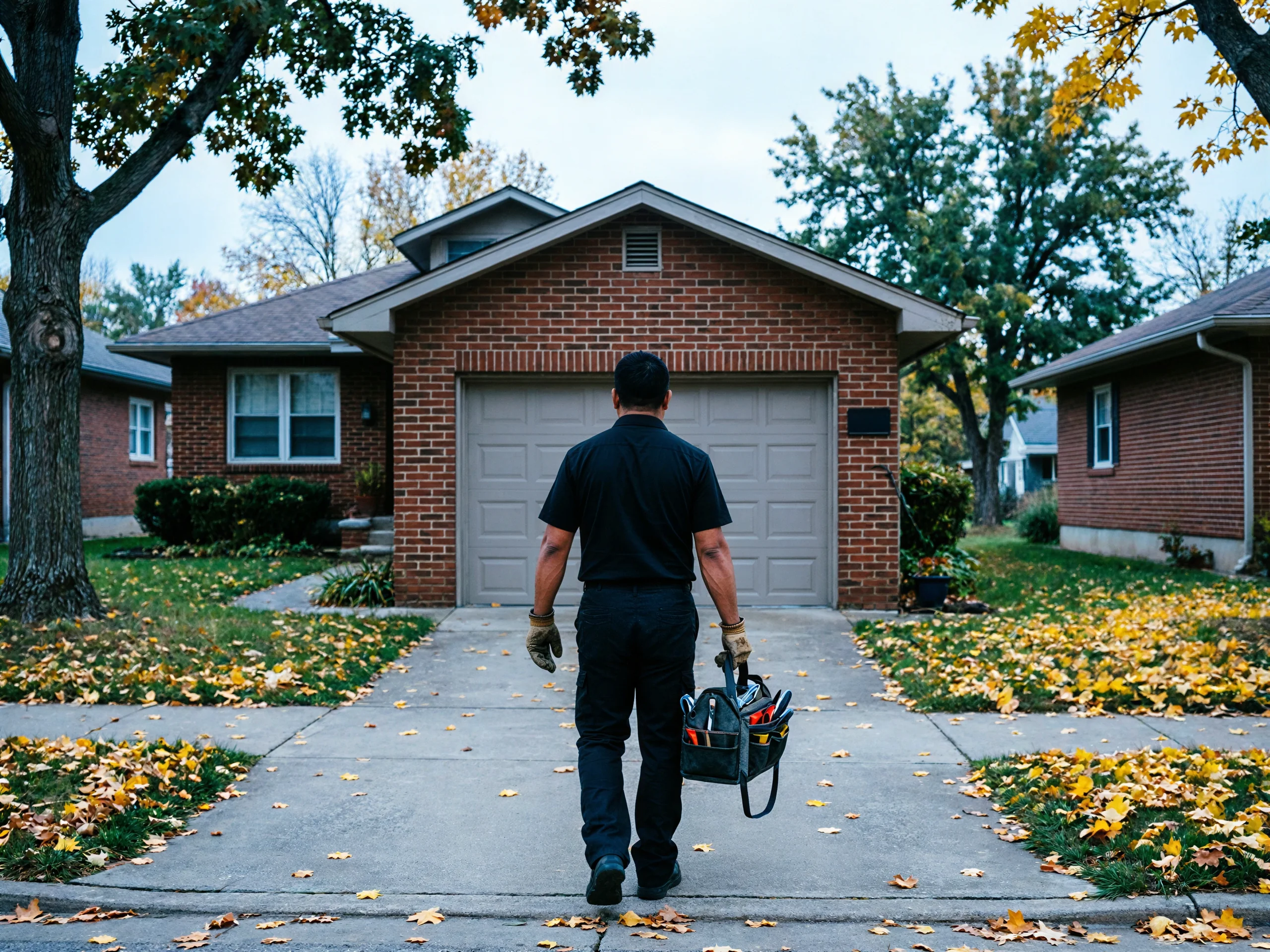
Dayton homeowners call Big Lake Garage Door Pros for broken springs and off-track doors on newer builds. Learn more →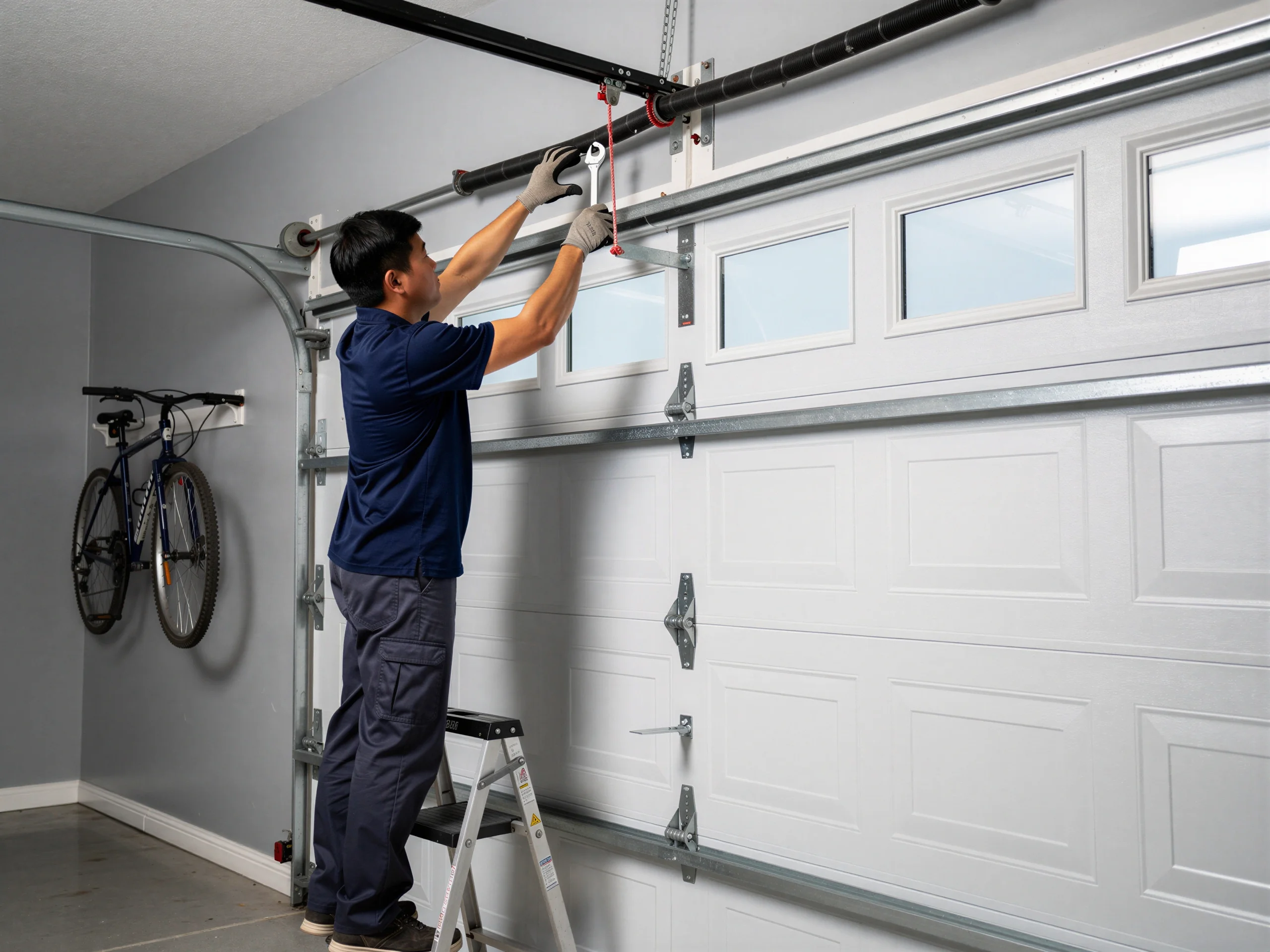
Garage Door Repair
Dayton homes mostly went up around 2003, newer than much of the service area. Learn more →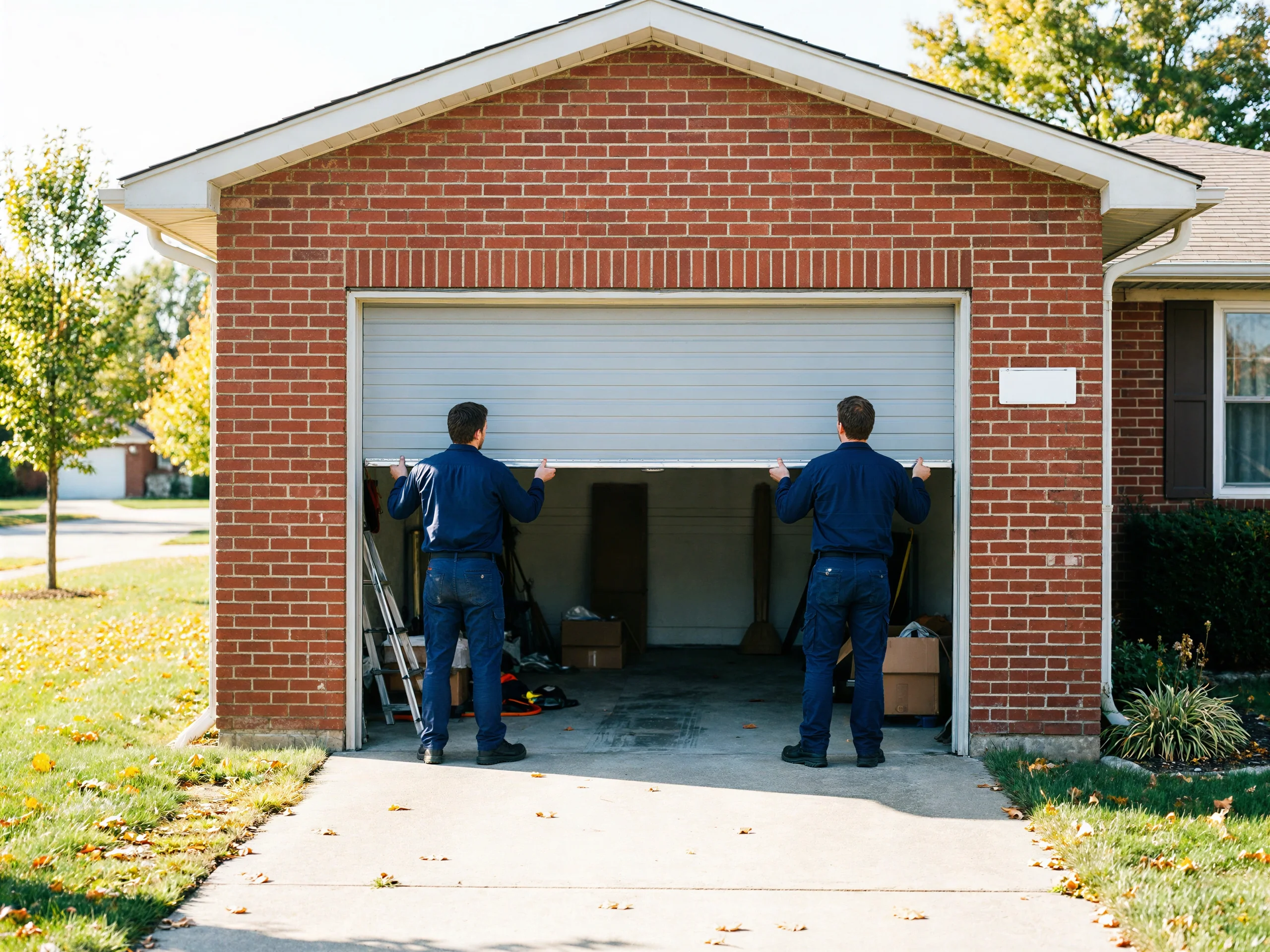
New Door Installation
New garage door installation in Dayton, MN from a crew that drives the 17 miles out from Big Lake and knows the newer-build hardware common on this side of the service area. Learn more →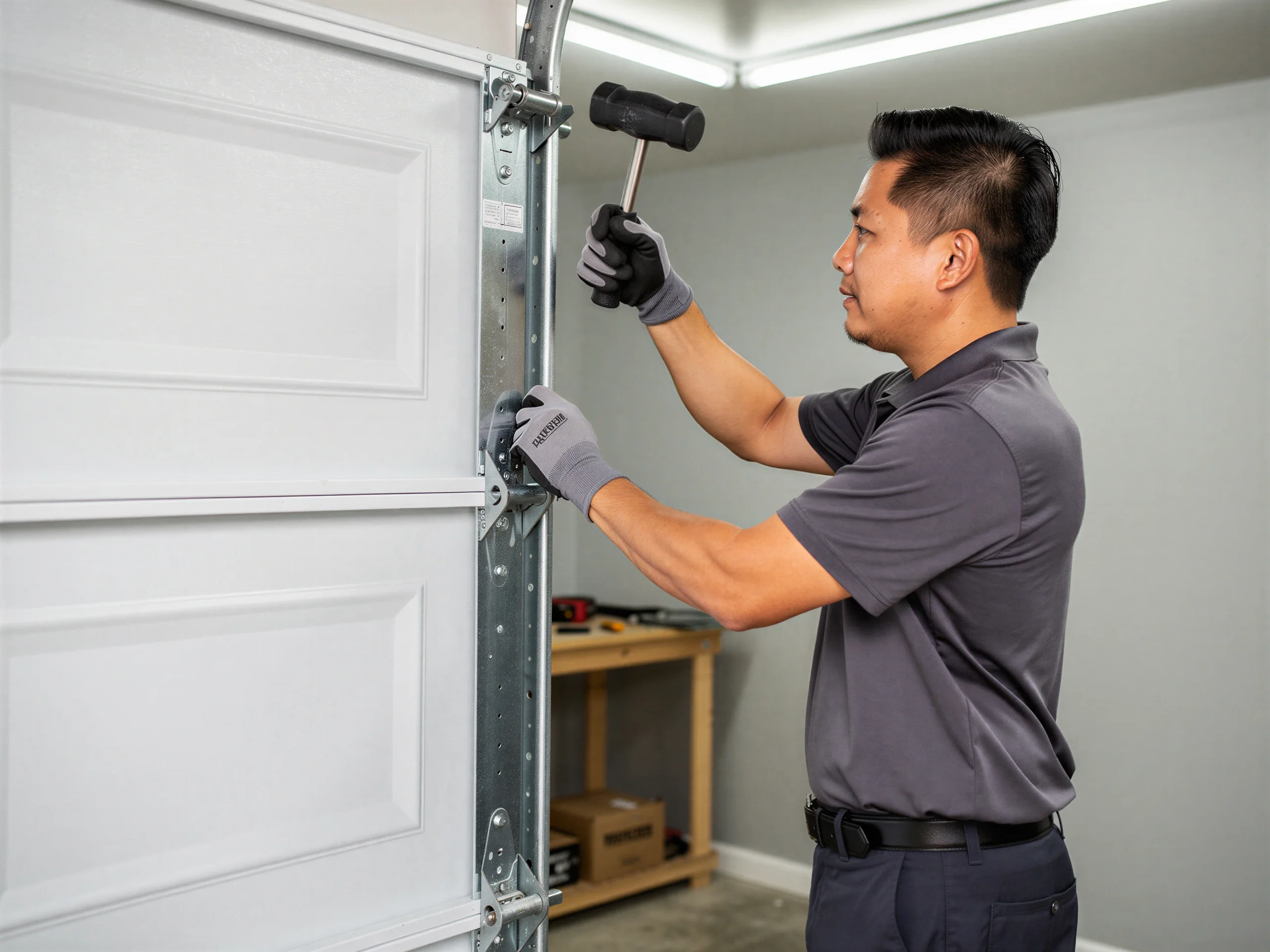
Off Track Repair
Dayton homes run newer than most of this service area, which changes what an off-track door actually costs to fix. Learn more →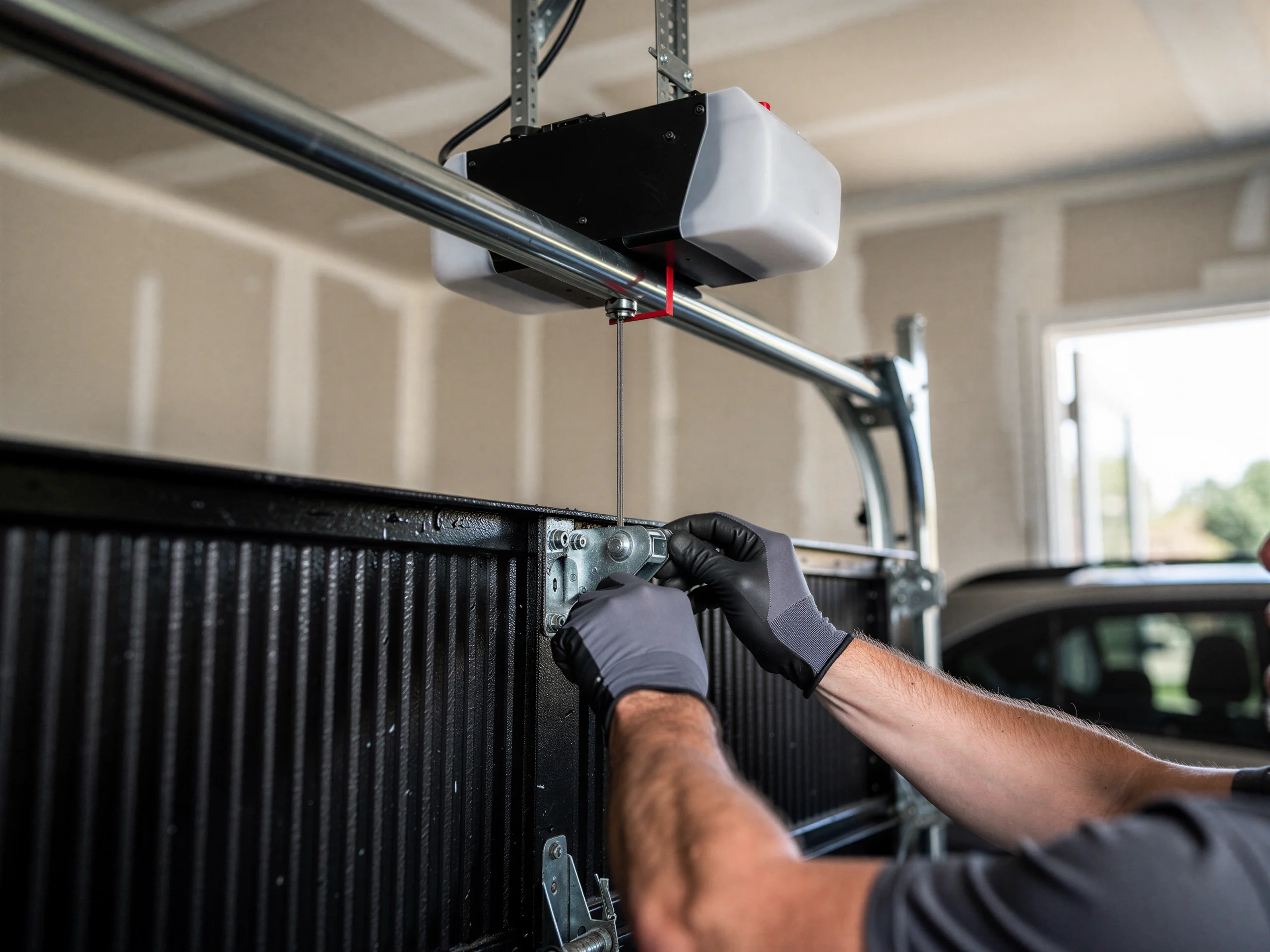
Opener Installation
Dayton's homes run newer than most of this service area. Learn more →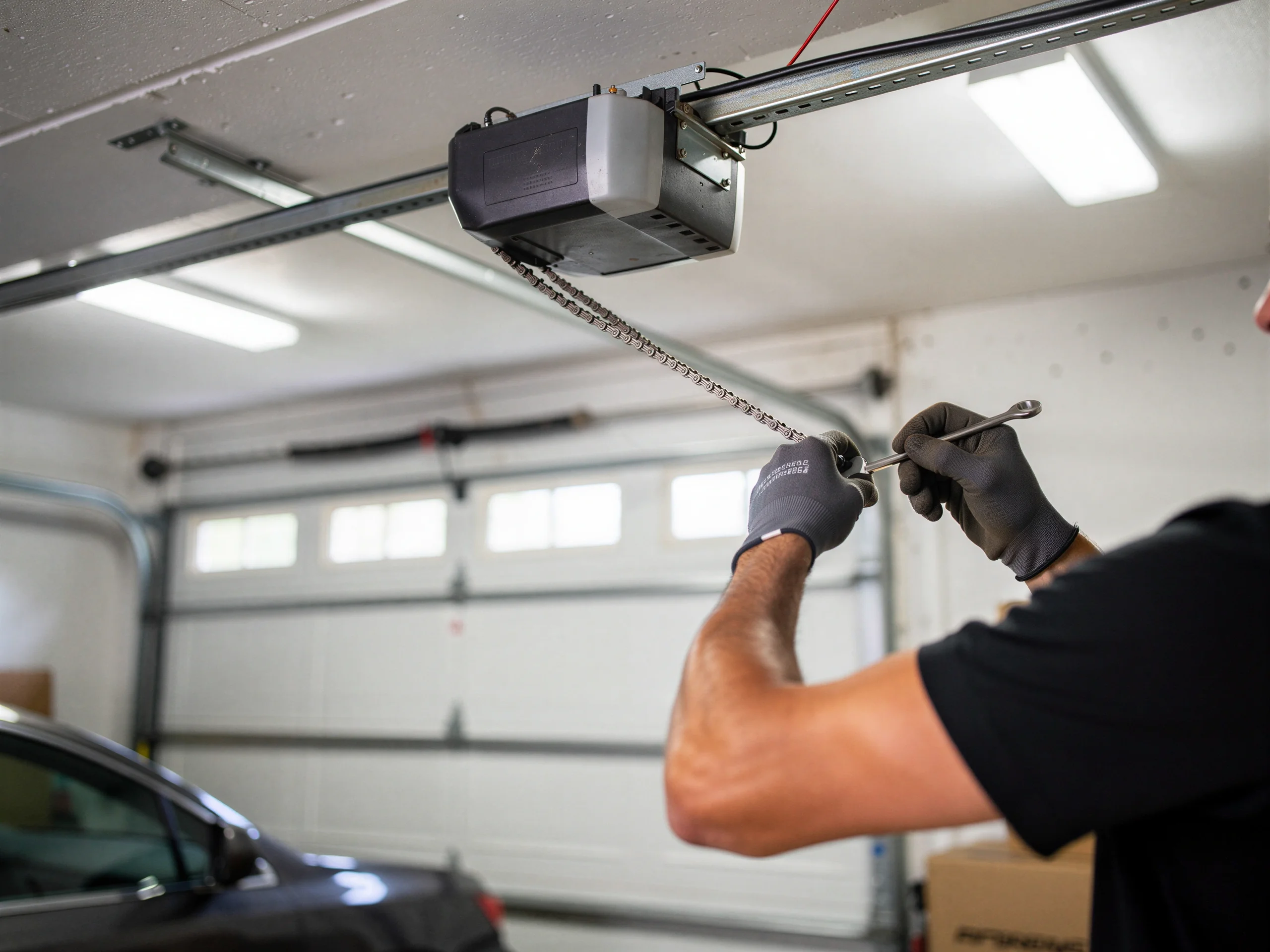
Opener Repair
Opener repair for Dayton, MN homes built mostly after 2000 - circuit board failures, cold-soak gear wear, and what a 17-mile service call from Big Lake actually costs. Learn more →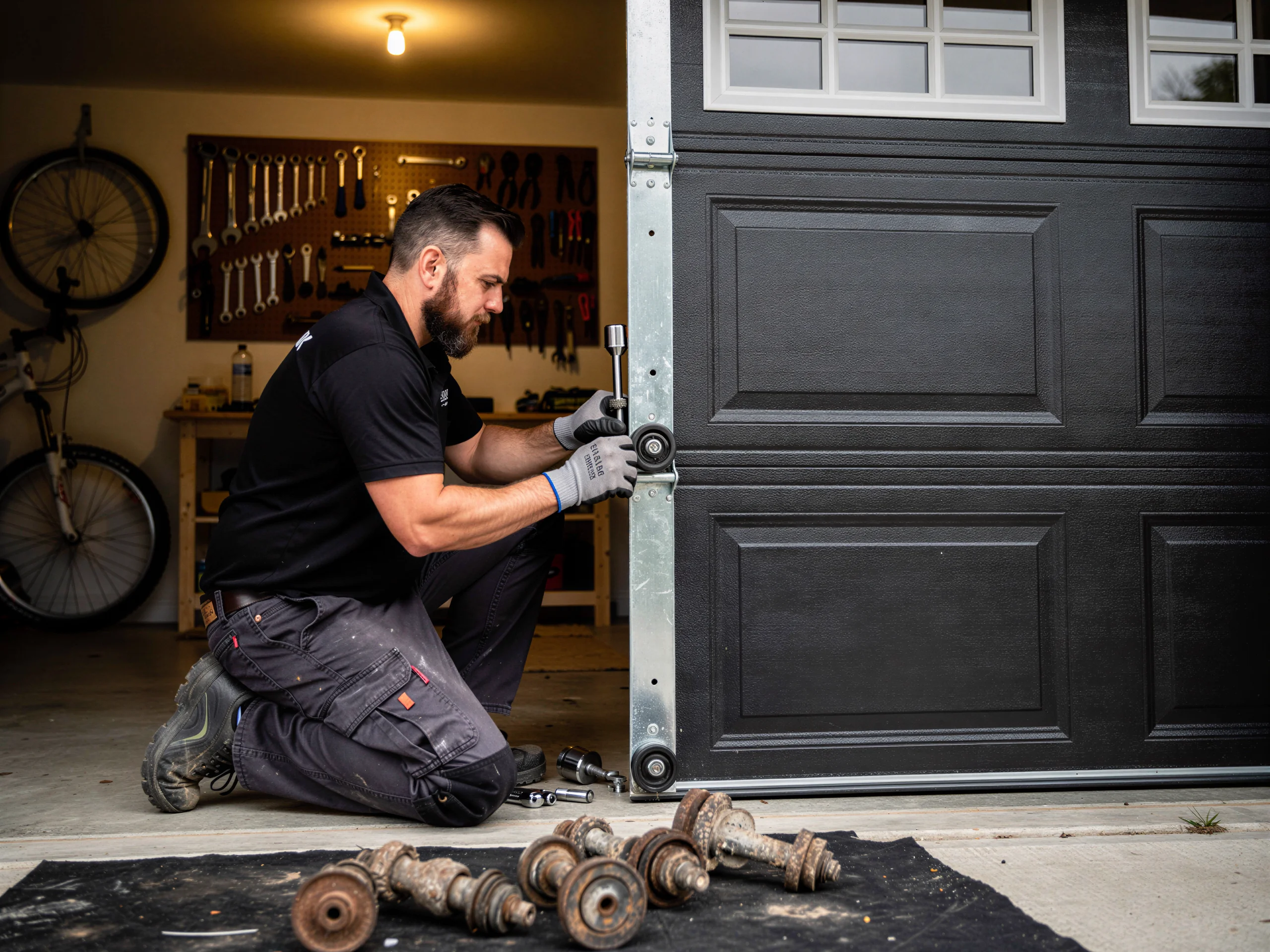
Roller Replacement
Dayton homes built around 2003 still run on builder-grade rollers that are now near the end of their life. Learn more →Ready when you are
Need garage door service in Dayton?
Big Lake Garage Door Pros repairs and installs garage doors, springs and openers in Big Lake, MN and the surrounding area.